
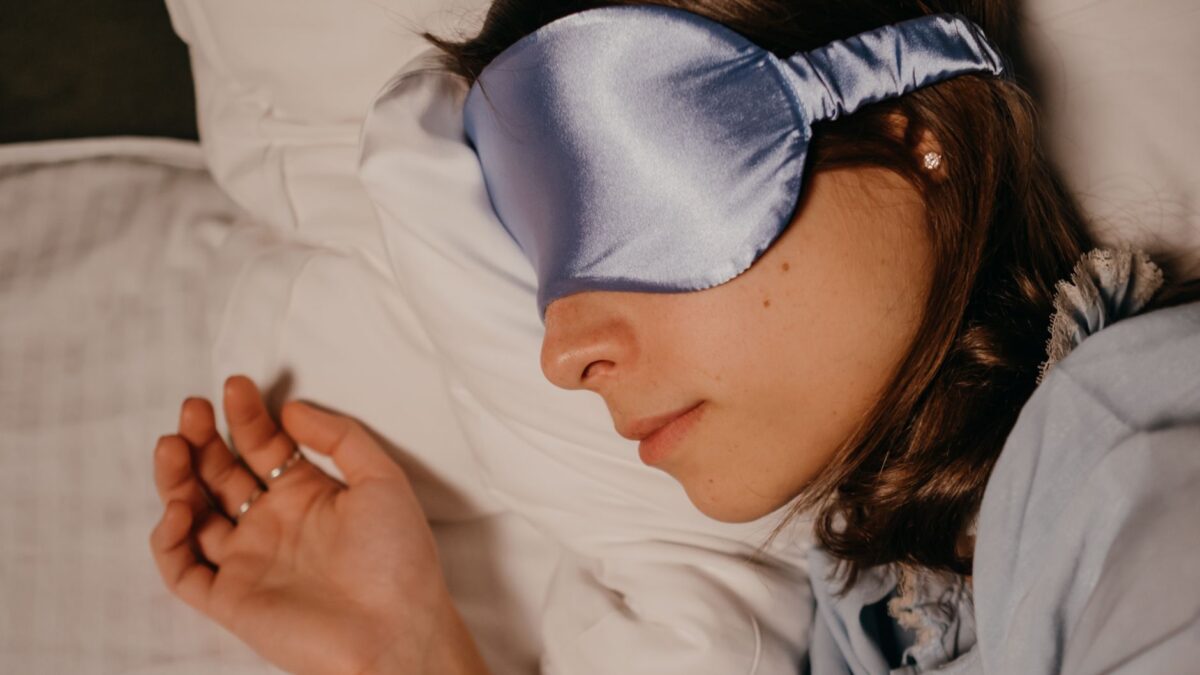
Each night, the sleeping brain loops through a cycle lasting roughly 90 minutes — the figure varies from about 70 to 110 between people and across the night. A cycle descends from light sleep into deep, slow-wave sleep, then rises into REM, the rapid-eye-movement stage where most vivid dreaming happens. A typical night strings together four to six of these loops, with deep sleep dominating the early cycles and REM stretching longer toward morning.
Last updated: July 22, 2026
Each stage does different work. Deep slow-wave sleep is the body’s repair shift — tissue growth, immune activity, and the consolidation of facts and knowledge; it’s also when sleep is hardest to interrupt. REM sleep, with the brain almost as active as waking, processes emotion and procedural learning while the body lies temporarily paralyzed. Light sleep, often dismissed, fills nearly half the night and serves as the transition tissue between the others.
Grogginess has a name — sleep inertia — and a cause: being woken from deep sleep mid-cycle. The brain takes time to reboot from slow-wave activity, which is why a 90-minute nap can leave you refreshed while a 45-minute one leaves you wrecked; the shorter nap likely ended in the deep stage. It’s also why “just five more minutes” of snoozing rarely helps: fragmented dozing restarts cycles it can’t finish.
The practical applications are simple. For naps, aim short — about 20 minutes, ending before deep sleep begins — or long enough to complete a full cycle. For nights, counting backward from your wake time in 90-minute steps (allowing about 15 minutes to fall asleep) makes it likelier the alarm lands between cycles rather than in the depths: waking at 6:30 suggests lights-out near 11:00 or 12:30 rather than midnight.
These are averages, not laws — individual cycles vary, and consistency of schedule matters more than perfect arithmetic. Sleep specialists’ most repeated advice remains the least glamorous: same wake time daily, morning light, and enough total hours.
For the arithmetic itself, any target can be checked against the live clock and date tools at ellatime.com — the counting is the easy part; the discipline is yours.
Chemistry can quietly sabotage the architecture. Caffeine’s half-life runs five to six hours, so an afternoon coffee still occupies the brain’s adenosine receptors at bedtime — often not preventing sleep, but shaving the deep slow-wave stage that makes sleep restorative, which is why a caffeinated night can hit the full hours yet feel hollow. Alcohol plays the opposite trick: it speeds sleep onset, then fragments the second half of the night and suppresses REM, trading a fast start for a broken finish.
Wearables and phone apps now promise to solve the timing problem automatically, tracking movement and heart rate to wake you in light sleep within a chosen window. Their staging accuracy is imperfect — wrist sensors infer, rather than measure, what an EEG sees — but the underlying idea is sound, and users often report gentler mornings simply because the alarm avoids the deepest troughs. The cheaper fix remains the oldest one: a schedule regular enough that you begin waking just before the alarm, the sign of cycles that have learned the routine.
Related on Ellatime: Your Body's Internal Clock: Circadian Rhythm Explained · Social Jet Lag: The Time Zone Between Your Weekdays and Weekends · The Pomodoro Technique: Working in 25-Minute Slices
Further reading: NIH — Your Guide to Healthy Sleep
Editorial Note: This article was researched and written by the Ellatime editorial team. We fact-check our content and update it regularly. For questions or corrections, contact us.
Related read: How to Write Dates in Roman Numerals for Any Occasion in 2026.