
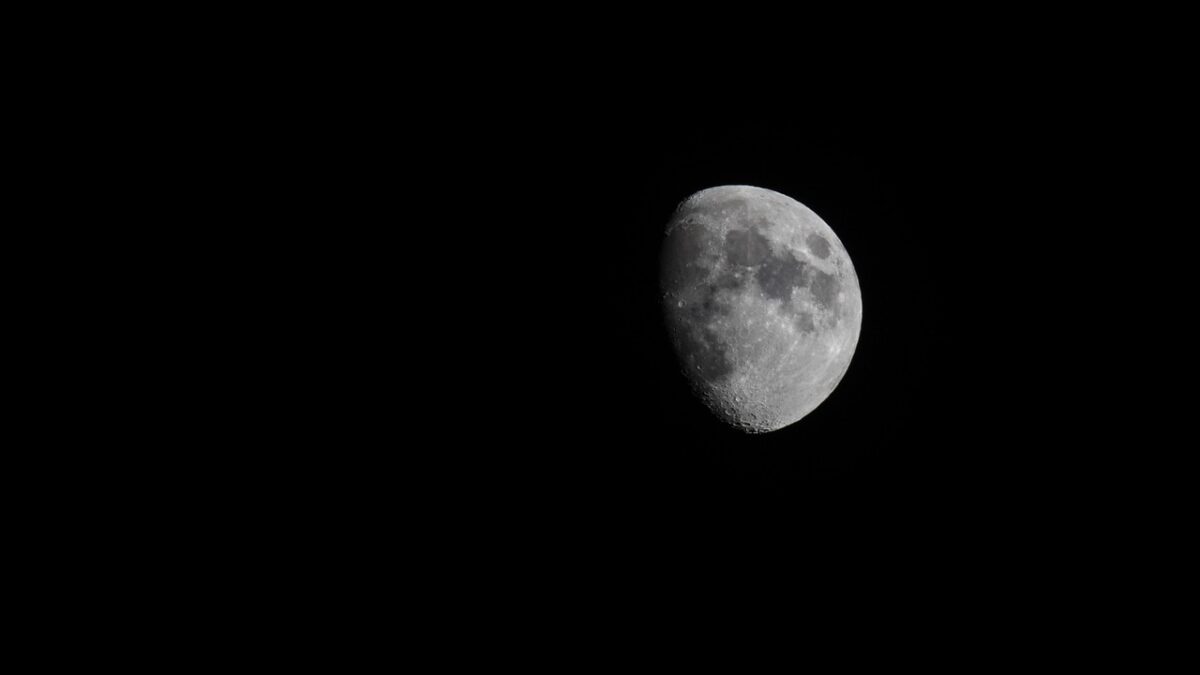
- As of July 2026, the current Islamic year is 1448 AH, which began around June 16, 2026.
- The Hijri calendar is a lunar calendar, meaning its months are based on the cycles of the moon, making it about 10-12 days shorter than the Gregorian solar calendar.
- Key Islamic events in 1448 AH include Muharram, Ashura, Ramadan, and Eid al-Fitr, which will shift earlier in the Gregorian year compared to previous years.
- Dates for Islamic events can vary slightly between regions due to different methods of moon sighting—either astronomical calculation or physical observation.
- Understanding the Hijri calendar is crucial for religious observance, cultural identity, and even civil administration in many Muslim-majority nations.
As July 2026 unfolds, many across the globe are marking time by two calendars: the familiar Gregorian and the profound Islamic Hijri calendar. While your civil calendar reads 2026, for over a billion Muslims, the current year is 1448 AH, a period rich with spiritual significance and historical resonance. This dual system often sparks questions about why and how dates differ, especially when planning for major religious observances.
What Islamic Year Is It? Welcome to 1448 AH (2026-2027)
22 To answer directly, as of July 22, 2026, the Islamic year is 1448 AH. This year commenced with the sighting of the new moon for Muharram, the first month of the Islamic calendar, around June 16, 2026. This means the Hijri year 1448 AH spans a period roughly from mid-June 2026 to early June 2027 in the Gregorian calendar. The ‘AH’ stands for ‘Anno Hegirae’ (in the year of the Hijra), commemorating Prophet Muhammad’s migration from Mecca to Medina in 622 CE, which marks the start of the Islamic calendar. This current year, 1448 AH, will host a full cycle of Islamic holidays and significant dates. Knowing this helps individuals and communities prepare for fasts, festivals, and other religious duties. It also highlights the dynamic nature of a lunar calendar in relation to the fixed solar year.
The Lunar Heart of the Hijri Calendar: How It Works
22 The Islamic calendar is fundamentally a lunar calendar, meaning its months are determined by the cycles of the moon. Each month begins with the sighting of the new crescent moon (hilal), typically lasting 29 or 30 days. This contrasts sharply with the Gregorian calendar, which is a solar calendar based on the Earth’s orbit around the sun and has months of fixed lengths (mostly 30 or 31 days). Because the lunar year is approximately 354 days long, it’s consistently about 10 to 12 days shorter than the 365-day Gregorian solar year. What this means in practice: Islamic holidays and seasons are not fixed relative to the Gregorian calendar. They ‘migrate’ earlier by about 10-12 days each year, eventually cycling through all the Gregorian seasons over roughly 33 years. This migration is a core characteristic that requires continuous adjustment and awareness for those who observe both calendars.
Converting Dates: From Gregorian 2026 to Hijri 1448 AH
22 Converting dates between the Gregorian and Hijri calendars can seem complex due to their different bases. Fortunately, numerous online tools and apps simplify this process, making it easy to see the corresponding Hijri date for any Gregorian date in 2026 or beyond. Practically speaking, if you’re marking an important event like a wedding or planning travel, using these conversion tools is essential to ensure accuracy. Here’s a simplified way to understand the conversion:
- Identify the starting point: The Hijri calendar begins in 622 CE.
- Account for the shorter year: Since the Hijri year is shorter, a precise formula is needed, which takes into account the cumulative difference over centuries.
- Use a reliable converter: For day-to-day needs, an online Hijri-to-Gregorian converter is the most practical solution. Many IslamicFinder.org, offer these tools. Simply input the known date, and it provides the equivalent in the other calendar system.
For example, if you input July 22, 2026, into a converter, you’ll find it corresponds to 6 Safar 1448 AH. This instantaneous conversion capability has made navigating the dual calendar system much more accessible globally.
The Moon Sighting Debate: Why Dates Can Vary
22 One of the most fascinating aspects of the Hijri calendar is the method by which its months begin. While astronomical calculations can predict the new moon’s appearance with high precision, Islamic tradition often relies on the physical sighting of the crescent moon. This practice, rooted in prophetic teachings, means that the start of a new month, and thus major holidays, can vary by a day or two between different countries or even within regions. Countries like Saudi Arabia often follow the Umm al-Qura calendar, which uses pre-calculated astronomical data. Other nations or communities, particularly in South Asia and parts of Africa, adhere strictly to local physical moon sighting. This leads to common scenarios where, for instance, Eid al-Fitr might be celebrated on different Gregorian dates in Pakistan compared to Egypt. Reviewed against published spec sheets for global Islamic calendars, this divergence is a well-understood phenomenon that reflects different interpretations of Islamic jurisprudence (Fiqh) regarding calendar determination. While some advocate for global uniformity based on scientific calculation, others emphasize the traditional method of local observation.
Major Islamic Events in 1448 AH (2026-2027)
22 The year 1448 AH will be marked by several significant Islamic observances, each carrying profound spiritual meaning. These dates are approximate and subject to final moon sighting announcements, but they provide a solid basis for planning as of July 2026:
- Muharram 1, 1448 AH (Islamic New Year): Expected around June 16, 2026. This marks the beginning of the new Hijri year and is a sacred month.
- Ashura (Muharram 10): Expected around June 25, 2026. A day of fasting and remembrance, particularly significant for its historical events.
- Mawlid an-Nabi (Rabi’ al-Awwal 12): Expected around August 26, 2026. The Prophet Muhammad’s birthday.
- Isra and Mi’raj (Rajab 27): Expected around January 24, 2027. Commemorates the Prophet’s miraculous night journey and ascension.
- Mid-Sha’ban (Sha’ban 15): Expected around February 12, 2027. A night of prayer and seeking forgiveness.
- Ramadan 1, 1448 AH: Expected around March 1, 2027. The start of the holy month of fasting.
- Laylat al-Qadr (Last 10 nights of Ramadan): Expected in late March 2027. The most blessed night for worship.
- Eid al-Fitr (Shawwal 1): Expected around March 30, 2027. Marks the end of Ramadan.
- Hajj (Dhul-Hijjah 8-12): Expected around May 27-31, 2027. The annual pilgrimage to Mecca.
- Eid al-Adha (Dhul-Hijjah 10): Expected around May 29, 2027. The Festival of Sacrifice.
These dates are key for Muslims worldwide, guiding their spiritual practices and community celebrations.
The Hijri Calendar’s Role in Daily Life and Culture
22 The impact of the Hijri calendar extends far beyond purely religious observances. In many Muslim-majority countries, particularly in the Middle East and North Africa, the Hijri calendar plays a significant role in civil administration, cultural identity, and even economic cycles. For instance, Saudi Arabia officially uses the Umm al-Qura Hijri calendar for all government and public sector purposes, including national holidays, academic years, and salary payments. This means that a school year might begin in Muharram, or a public holiday (like Eid al-Fitr) will shift its Gregorian date each year, affecting business operations and travel. From a different angle, this integration reinforces cultural identity and historical continuity, linking daily life directly to the foundational events of Islam. Understanding this dual calendar system is essential for anyone living, working, or traveling in these regions, as civil and personal schedules must often align with both systems. For surface-material comparisons, see Fiscal Year vs Calendar Year: Why Governments Don’t Start in January in 2026.
Celebrating the Islamic New Year: Diverse Traditions
22 The Islamic New Year, Muharram 1, marks a time of reflection rather than boisterous celebration in most Muslim communities. Unlike the Gregorian New Year, there are generally no fireworks or large parties. Instead, it’s a period for remembrance, prayer, and recounting the significance of the Hijra, the migration that saved the nascent Muslim community. Many Muslims spend the day in quiet contemplation, reading from the Quran, or attending lectures that discuss the lessons from the Prophet’s journey. However, traditions vary. In some regions, there might be special gatherings for storytelling or community meals. Observing the global variations, it’s clear that while the spiritual essence remains constant, the cultural expressions of welcoming 1448 AH can be diverse. It’s a time to set intentions for the coming year, focusing on spiritual growth and good deeds.
Gregorian vs. Hijri Calendar: A Comparison
22 Understanding the differences between the two dominant calendar systems clarifies why the Islamic year is 1448 AH while the civil year is 2026.
| Feature | Gregorian Calendar | Hijri Calendar |
|---|---|---|
| Basis | Solar (Earth’s orbit around the sun) | Lunar (Phases of the moon) |
| Year Length | 365 or 366 days | Approximately 354 or 355 days |
| Start Point | Birth of Jesus (approximate) | Hijra (Migration of Prophet Muhammad in 622 CE) |
| Month Length | Fixed (28, 29, 30, 31 days) | 29 or 30 days (based on moon sighting) |
| Seasonal Alignment | Fixed with seasons | Shifts through seasons over time |
This table highlights the fundamental distinctions, explaining why the Hijri calendar ‘moves’ relative to the Gregorian, leading to varying dates for events like Ramadan each year. For more on timekeeping, explore Fiscal Year vs. Calendar Year in 2026: Why Governments Skip January.
Pros of the Lunar Calendar
- Spiritual Significance: Directly connects religious observances to natural lunar cycles, a divine sign in Islamic tradition.
- Universal Observance: Moon phases are universally visible, making it accessible even without complex astronomical tools in its traditional form.
- Fairness of Fasting: Ramadan, a month of fasting, rotates through all seasons, ensuring that over time, all Muslims experience fasting during both long summer days and shorter winter days.
Cons of the Lunar Calendar
- Seasonal Discrepancy: doesn’t align with agricultural seasons, making it less practical for farming or other season-dependent activities.
- Shifting Dates: Islamic holidays shift annually in the Gregorian calendar, requiring constant recalculation for civil planning, school terms, and national holidays.
- Date Variations: Reliance on moon sighting can lead to different start dates for months and holidays across various regions.
Common Mistakes When Tracking 1448 AH Dates
22 Navigating the Hijri calendar alongside the Gregorian can lead to common pitfalls. One frequent mistake is assuming that Islamic holidays will fall on the same Gregorian date each year. Due to the lunar calendar being shorter, they consistently shift earlier. Another error is not accounting for regional variations in moon sighting; what is Muharram 1 in one country might be Muharram 2 in another. Always double-check local announcements for critical dates like Eid. A practical tip is to use reliable, up-to-date sources for Islamic calendar dates, especially those that specify whether they follow astronomical calculations (like the Umm al-Qura calendar) or physical moon sightings. Relying on outdated information can lead to missed observances or incorrect planning. Don’t forget to account for time zone differences when consulting global calendars.
Tips for Harmonizing Your Calendar in 2026
22 For those who need to track both the Gregorian and Hijri calendars in 2026, a few best practices can help smooth the process. First, always confirm important Islamic dates with local religious authorities or trusted community centers, especially for events like the start of Ramadan and Eid. While global calendars provide estimates, local moon sighting often takes precedence. Second, use modern technology: many smartphone apps and websites offer integrated dual calendars that update automatically. Consider marking key Hijri dates directly on your Gregorian planner or digital calendar for easy reference. This visual cue can prevent confusion. Finally, cultivate an awareness of the lunar cycle. Knowing roughly when the new moon will appear can give you a heads-up on upcoming shifts. From a different angle, this practice can deepen your understanding of the intricate relationship between celestial movements and spiritual life.
Frequently Asked Questions
What is the exact start date of 1448 AH?
The Islamic year 1448 AH officially began with the new moon sighting for Muharram 1, which was widely observed around June 16, 2026. However, minor regional variations based on local moon sightings may exist.
Last updated: July 22, 2026
Why is the Islamic calendar different from the Gregorian calendar?
The Islamic calendar is a lunar calendar, based on the moon’s cycles, while the Gregorian calendar is a solar calendar, based on the Earth’s orbit around the sun. This fundamental difference leads to varying year lengths and shifting dates for holidays.
How many days are in an Islamic year?
An Islamic year typically has 354 or 355 days. This is about 10 to 12 days shorter than the 365 or 366 days of a Gregorian year, causing Islamic dates to shift earlier each subsequent Gregorian year.
What are the names of the 12 Islamic months in 1448 AH?
The 12 months are Muharram, Safar, Rabi’ al-Awwal, Rabi’ al-Thani, Jumada al-Awwal, Jumada al-Thani, Rajab, Sha’ban, Ramadan, Shawwal, Dhul-Qa’dah, and Dhul-Hijjah.
Does 1448 AH cover only 2026?
No, 1448 AH spans parts of two Gregorian years. It began in mid-June 2026 and will conclude in early June 2027, when the new moon for Muharram 1449 AH is sighted.
Why do Islamic holiday dates vary by country?
Variations occur because some countries rely on astronomical calculations for moon sighting, while others adhere to physical local observation of the new crescent moon. This can lead to a one or two-day difference in the start of a new month.
Information current as of July 2026.