
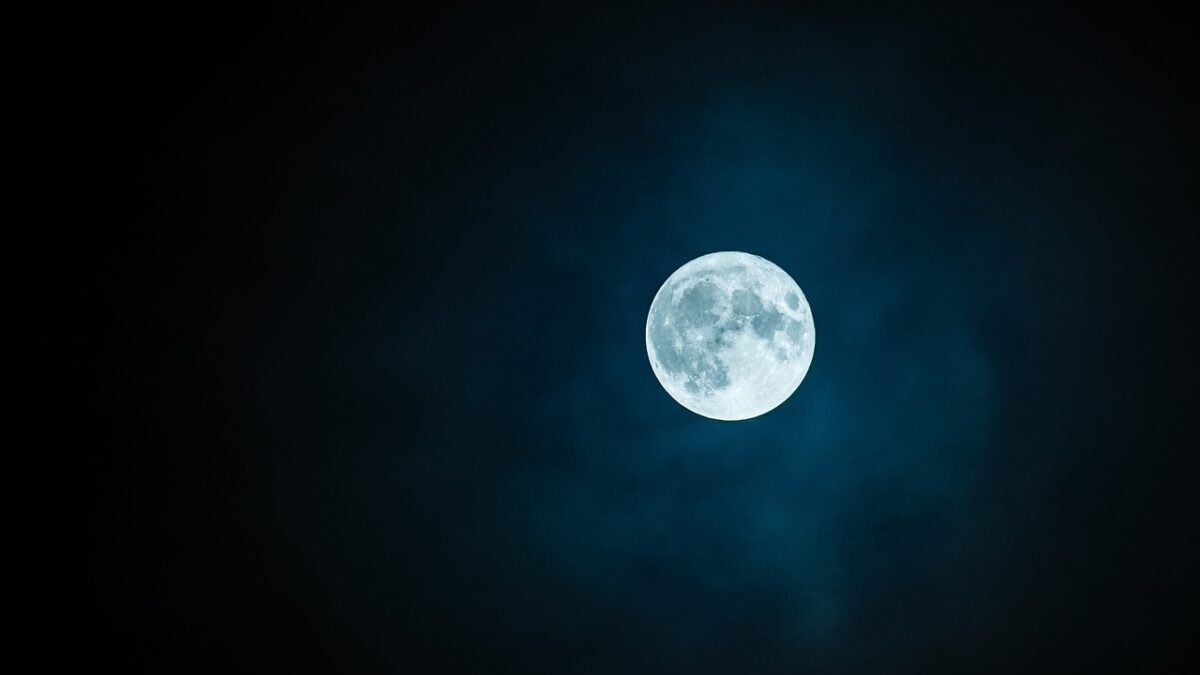
Sarah, a keen amateur astronomer, recently shared a photo of July’s brilliant Buck Moon, sparking a conversation about why each full moon has a unique name. These evocative titles—from the ‘Wolf Moon’ in January to the ‘Cold Moon’ in December—aren’t just poetic flourishes; they are echoes of ancient wisdom, deeply rooted in the seasonal rhythms and agricultural cycles observed by indigenous peoples and early settlers across North America. As of July 2026, these traditional names continue to offer a profound connection to the natural world and a fascinating insight into historical timekeeping.
Last updated: July 22, 2026
Key Takeaways
- Full moon names primarily stem from Native American and Colonial American traditions, reflecting seasonal activities and natural phenomena.
- Each month in 2026 has a distinct full moon name, such as the ‘Wolf Moon’ for January or the ‘Strawberry Moon’ for June.
- While generally standardized by popular almanacs, regional and cultural variations of moon names exist globally.
- Observing these named full moons can deepen your connection to nature’s annual cycles and cultural heritage.
- Special lunar events like Blue Moons and Supermoons are distinct phenomena, not replacements for monthly names.
The Ancient Origins of Full Moon Names
The tradition of naming full moons dates back centuries, rooted in the practical necessity of tracking time and seasons. Early cultures across North America, including various Native American tribes, used the lunar cycle—which averages around 29.5 days—as a natural calendar to mark planting, harvesting, hunting, and ceremonial seasons. European settlers later adopted and adapted some of these names, or introduced their own, leading to the blended tradition we recognize today.
For instance, the ‘Wolf Moon’ for January is widely attributed to early European settlers and Native American tribes observing hungry wolves howling outside villages during the cold, deep winter months. This name, like many others, painted a vivid picture of the natural world at that specific time of year.
Practically speaking, these names provided a communal language for seasonal events. While specific names varied significantly between different tribes and regions—an important detail often overlooked—the underlying principle of aligning lunar cycles with earthly changes remained constant. This blend of Indigenous wisdom and colonial observation forms the foundation of the full moon names commonly used in 2026.
January to June: A Seasonal Journey Through Full Moon Names (2026)
Each full moon name tells a story of its month, reflecting the dominant natural activities of that period. Knowing these names helps us appreciate the cyclical nature of our environment. Here’s a look at the first half of the year’s celestial markers.
- January: Wolf Moon. Named for the howling wolves often heard during the cold, snowy nights of mid-winter. For many, it symbolizes survival and reflection in the depths of winter.
- February: Snow Moon. Typically, the snowiest month in many northern regions, this name is a direct reflection of the heavy snowfalls. It often coincides with challenging hunting conditions.
- March: Worm Moon. As the ground thaws, earthworms begin to emerge, signaling the return of birds and the first signs of spring. This moon brings the promise of renewal.
- April: Pink Moon. Named after the pink moss phlox, one of the earliest widespread flowers of spring. It’s a vibrant reminder of nature’s awakening and blossoming.
- May: Flower Moon. This moon marks the time when flowers burst forth in abundance across North America. It signifies fertility, growth, and the peak of spring’s beauty.
- June: Strawberry Moon. Coinciding with the ripening of wild strawberries, this moon traditionally marked the best time for harvesting these sweet berries. It’s often one of the lowest-hanging full moons.
Understanding these names isn’t just about trivia; it’s about reconnecting with the agrarian and hunter-gatherer roots of our ancestors. Even in urban settings in 2026, these names evoke the tangible shifts happening in the natural world.
July to December: Harvests, Hunting, and Winter Preparations (2026)
The latter half of the year’s full moon names continue this pattern, detailing the progression from summer’s bounty to winter’s embrace. These names guided communities through crucial periods of preparation and sustenance.
- July: Buck Moon. Male deer, or bucks, begin to grow new antlers during this month, pushing out velvety coverings. This signifies strength and renewal in the height of summer.
- August: Sturgeon Moon. Named by Native American tribes in the Great Lakes region for the large sturgeon fish that were most readily caught during this time. It often signaled a time of abundant fishing.
- September: Harvest Moon. The full moon closest to the autumnal equinox, known for its bright, long-lasting light that allowed farmers to work late into the night harvesting summer crops. Its timing can sometimes fall in October.
- October: Hunter’s Moon. Following the Harvest Moon, this moon provided ample light for hunters to prepare for winter by stalking game, often fattened from summer’s forage.
- November: Beaver Moon. Traditionally, this was the time to set beaver traps before the swamps froze, ensuring a supply of warm furs for winter. It can also refer to beavers preparing their winter lodges.
- December: Cold Moon. Fittingly named for the deepening cold of winter, when nights are long and dark, and the landscape is often covered in snow. It signals the approach of the winter solstice.
These names offer a clear narrative of the year’s cycle, from the burgeoning life of spring to the stark beauty of winter. Even if you’re not farming or hunting, observing these moons can evoke a sense of connection to these timeless rhythms.
Beyond the Monthly Names: Special Lunar Events in 2026
While the monthly full moon names are tied to seasonal cycles, other captivating lunar events garner special attention. These include Blue Moons, Supermoons, and Blood Moons, which are distinct astronomical occurrences rather than traditional monthly monikers.
Blue Moon Explained
A Blue Moon refers to either the second full moon within a single calendar month or the third of four full moons in an astronomical season. This phenomenon occurs roughly every two to three years because the lunar cycle (approximately 29.5 days) is slightly shorter than the average calendar month. The moon itself doesn’t actually appear blue, though certain atmospheric conditions can occasionally give it a bluish tint.
Supermoons and Their Impact
A Supermoon happens when a full moon coincides with the Moon’s closest approach to Earth in its elliptical orbit, known as perigee. This makes the moon appear slightly larger and brighter than usual. While visually striking, the perceived difference in size is often subtle to the naked eye, though it can influence tidal ranges. According to NASA, a Supermoon can appear up to 14% larger and 30% brighter than the faintest full moon.
Blood Moons and Lunar Eclipses
A Blood Moon is the colloquial term for a total lunar eclipse. During this event, the Earth passes directly between the Sun and Moon, casting a shadow on the Moon. Sunlight filtered through Earth’s atmosphere, scattering blue light and allowing red light to reach the Moon’s surface, giving it a reddish-orange hue. These are powerful celestial events that have fascinated humanity for millennia.
The Standardization of Moon Names: A Modern Perspective
Among writers and editors covering this beat, the standardization of full moon names is an interesting case study in cultural diffusion. While countless regional variations existed historically, prominent publications like The Old Farmer’s Almanac played a key role in popularizing and standardizing a specific set of names across North America. This has led to a widely recognized, albeit simplified, list of monthly full moon names.
What this means in practice: many people in 2026 recognize the ‘Strawberry Moon’ for June, even if their specific local indigenous tradition used a different name. This standardization makes communication easier but can sometimes overshadow the rich diversity of naming conventions that once existed. It highlights how cultural practices evolve and coalesce through media and shared reference points.
Reviewed against published historical records, the selection of names in common use today often prioritizes a blend of Algonquin and Colonial American terms, chosen for their widespread applicability and evocative imagery. This process, while simplifying, has ensured these ancient rhythms remain relevant.
Observing the Full Moons: Practical Tips for 2026
Appreciating the full moon each month goes beyond just knowing its name; it involves a bit of planning and a willingness to look up. Here are some practical tips for enjoying the full moons of 2026.
First, check a reliable lunar calendar for the exact date and time of the full moon in your local timezone. While the moon appears full for about three days, its precise peak illumination occurs at a specific moment. For instance, the July Buck Moon in 2026 peaks on July 29th. Counting 30, 60, or 90 Days From Today: Your 2026 Guide
To enhance your viewing experience, seek out a location away from city lights if possible, as light pollution can significantly diminish the moon’s visibility and the subtle details of its surface. Even a simple pair of binoculars can reveal craters and mare (dark plains) more clearly. For photography, a sturdy tripod and a telephoto lens are beneficial, but even smartphone cameras can capture impressive shots with the right settings and conditions.
Consider linking your observation to the moon’s name: if it’s the Flower Moon, take a moment to notice the blossoms around you. If it’s the Hunter’s Moon, reflect on the changing seasons and animal behaviors. This connects the celestial event to its earthly roots, fulfilling the original intent of the names.
Common Misconceptions About Full Moon Names
Despite their widespread recognition, several misconceptions surround full moon names. Addressing these can deepen your understanding and appreciation.
Myth: All Moon Names Are Purely Native American
While many popular full moon names have strong Native American roots, particularly from Algonquin tribes, they are not exclusively so. Many names have European or Colonial American origins, and some are a blend of traditions. The widely adopted list often consolidates various sources, sometimes simplifying a richer, more diverse historical tapestry. It’s crucial to acknowledge this layered heritage.
Myth: Moon Names Are Universally Recognized
The set of full moon names commonly cited in North America is not global. Different cultures around the world have their own unique names and traditions for tracking lunar cycles, often reflecting their specific local environments, agriculture, and spiritual beliefs. For example, some Asian cultures use different animal names or refer to specific festivals. Always consider the regional context when discussing these names.
Solution: Research and Local Context
To avoid these misconceptions, take the time to research the specific origins of a moon name, recognizing that historical records can sometimes be incomplete or varied. Plus, explore local Native American tribal traditions if you can, as their names often carry profound, nuanced meanings specific to their land and practices.
Frequently Asked Questions
What is the most common full moon name?
The most commonly recognized full moon names are the monthly ones popularized by sources like The Old Farmer’s Almanac. Names like ‘Wolf Moon’ (January), ‘Harvest Moon’ (September/October), and ‘Strawberry Moon’ (June) are widely known due to their consistent appearance in calendars and media across North America.
Do all cultures use the same full moon names?
No, full moon names vary significantly across different cultures and regions globally. While North America commonly uses a blend of Native American and Colonial names, cultures in Europe, Asia, Africa, and elsewhere have their own unique traditions, often reflecting local flora, fauna, and seasonal events specific to their geography.
Can a month have two full moon names?
A month typically has only one primary full moon name. However, if a month experiences two full moons, the second one is often referred to as a ‘Blue Moon,’ which is a separate phenomenon, not a traditional monthly name. The occurrence of a Blue Moon doesn’t change the primary name of the first full moon.
Why is the Harvest Moon sometimes in September and sometimes in October?
The Harvest Moon is defined as the full moon closest to the autumnal equinox, which occurs around September 22. Because the full moon cycle is about 29.5 days, the Harvest Moon can fall in either late September or early October, depending on the exact timing of the equinox and lunar phases that particular year.
Are full moon names scientifically recognized?
Full moon names are cultural and historical designations, not scientific ones. Astronomers use precise dates and times for full moons, often referring to them by their month (e.g., ‘July Full Moon’). The traditional names are part of folklore and cultural heritage, offering a poetic way to mark the passage of time.
How accurate are the names in reflecting natural events today?
Many full moon names still broadly reflect natural events in temperate North American climates, even in 2026. For example, the ‘Flower Moon’ generally coincides with widespread blooms, and the ‘Strawberry Moon’ with strawberry ripening. However, local variations in climate and geography mean the accuracy can differ significantly from one region to another.
The full moon names of 2026 offer a captivating link to the past, reminding us of humanity’s enduring connection to the natural world and its cycles. By understanding their origins and meanings, we can observe each month’s full moon with a richer appreciation for its cultural and historical significance. Take a moment to step outside and look up during the next full moon; you might just feel a deeper connection to the rhythms that have guided us for millennia.
Information current as of July 2026.
Related read: How to Write Dates in Roman Numerals in 2026: Your Complete Guide.
Related read: Why New Year Begins on January 1: A Journey Through Time.
Related read: 6 PM EST to PST in 2026: Mastering Your Cross-Country Schedule.